Resurfacing: A New Face on Walls That Are Still Sound
A new finish coat over sound stucco that erases decades of patches and wear without a full tear off.
When the stucco underneath is still solid but the surface looks tired, with hairline crazing, mismatched old patches, or a finish gone thin and chalky, resurfacing is the smart middle path. We repair what needs repairing, then float a new finish coat across the wall that makes everything underneath disappear.
Resurfacing costs a fraction of full replacement because it keeps the sound base your home already has. It's the single most transformative project per dollar we offer, and the one homeowners most often tell us they wish they'd done years earlier.
Walls that resurfacing was made for
- Visible patchwork from years of separate repairs
- Widespread hairline crazing without deeper damage
- Faded, chalky or worn thin finish across large areas
- Texture inconsistencies between original walls and additions
- A sound exterior that simply looks twenty years older than the home
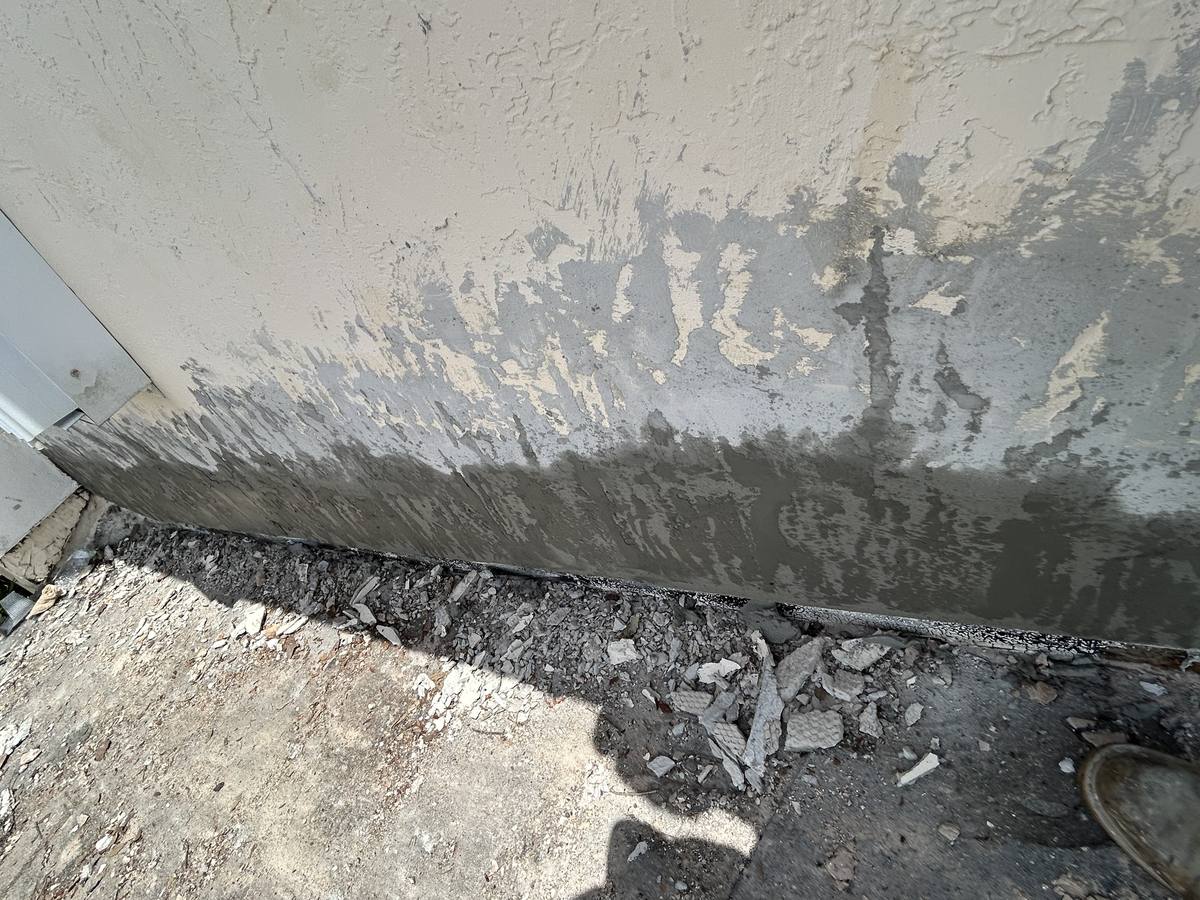
How We Handle Stucco Resurfacing
Verify the base
We sound the walls first. Resurfacing only goes over solid stucco, and any hollow areas get rebuilt before coating.
Repair & prep
Cracks filled, patches corrected, surfaces cleaned and prepped so the new coat bonds permanently.
Float the new finish
A fresh finish coat is applied across the full wall in your chosen texture. One surface, one texture, no history showing.
Cure & inspect
Proper cure time, then a walk around with you in good light before we sign off.
Common Resurfacing Questions
What's the difference between resurfacing and restucco?
Will resurfacing hide the old patches completely?
Can I change my texture during resurfacing?
When does stucco need resurfacing instead of just repairs?
Resurfacing Across Palm Beach County
A few of the Palm Beach County communities we serve. See all 14 on the service areas page.
Related:
Get a Free Stucco Resurfacing Estimate
Tell us what you're seeing. Clear written quote, no pressure.